
Introduction to Logistics And Supply Chain Human Resource Dashboard
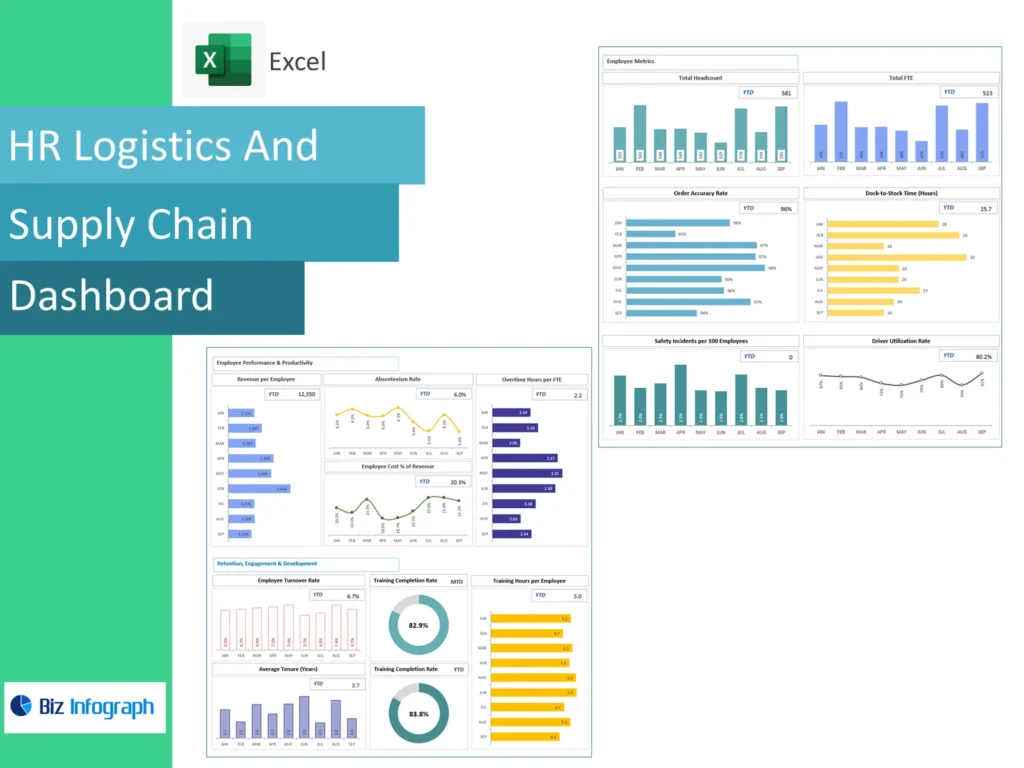
What Is a Logistics And Supply Chain Human Resource Dashboard and Why It Matters
A Logistics And Supply Chain Human Resource Dashboard is a reporting tool that helps businesses monitor staffing, hiring, training, workforce stability, and people-related operational readiness in one place. In the fast-paced world of supply chain activity, people decisions directly affect delivery speed, warehouse execution, and service continuity. A strong dashboard matters because it helps leaders understand whether the right talent is in place to keep operations moving. It connects workforce planning to operational needs and gives the business a clearer way to manage people performance across the wider world of supply chain management.
How an HR Dashboard Supports Workforce Visibility in Supply Chains
A good HR dashboard improves workforce visibility by showing headcount, vacancies, turnover, training progress, and team readiness across logistics functions. This is especially important in supply chains, where staffing gaps can slow warehouse activity, transport coordination, and the smooth flow of goods. Better visibility helps the business understand whether the workforce can handle the current demands of the supply chain. A strong dashboard also gives managers a clearer picture of how people issues affect operations. This helps businesses respond faster, improve staffing decisions, and support stronger workforce alignment across logistics environments.
Why Businesses Use a Logistics & Supply Chain Human Resource Dashboard Template
Many organizations use a Logistics And Supply Chain Human Resource Dashboard template because it provides a repeatable and organized structure for workforce reporting. A strong template can include staffing summaries, training views, turnover indicators, and hiring status without forcing teams to rebuild the report every cycle. This saves time and improves reporting consistency. It also helps the business compare different periods or teams more reliably. For companies working in the logistics sector or broader supply chain sector, a reusable template offers a practical way to improve visibility into workforce conditions and operational readiness.
Core Benefits of Logistics And Supply Chain Human Resource Dashboard
Improving Workforce Visibility Across Logistics and Supply Chain Management
A strong dashboard improves visibility by showing how workforce conditions affect operations across distribution, transport, and warehouse teams. It can summarize staffing levels, role coverage, turnover, absenteeism, and training readiness in one place. This is valuable because supply chain management depends heavily on having the right people in the right roles at the right time. Better workforce visibility helps leaders understand where staffing pressure is building and what may affect supply chain performance. It also creates a better basis for workforce planning and supports stronger execution across logistics operations.
How HR and Supply Chain Alignment Supports Better Operational Planning
The relationship between hr and supply chain planning is critical because labor availability affects scheduling, service reliability, and capacity. When workforce data and operational planning are connected, the business can prepare better for demand changes, staffing shortages, or expansion needs. This improves planning quality and helps teams manage workload more effectively. Strong alignment also helps ensure the workforce is ready for the realities of hr and logistics environments, where roles often change quickly. Better coordination between people planning and operational planning strengthens execution and supports more reliable daily performance.
Using Human Resources Reporting to Strengthen Supply Chain Success
Better human resources reporting helps businesses improve supply chain success because people performance directly influences execution. Hiring, retention, training, and engagement all affect whether operations run efficiently or experience delays. A good dashboard helps hr leaders understand where workforce conditions are supporting performance and where risks are building. This is especially important in the logistics industry, where staffing issues can quickly affect service. Strong reporting creates clearer visibility into workforce health and helps the business make better people decisions that support stronger and more consistent operational outcomes.
Key Metrics in a Logistics And Supply Chain Human Resource Dashboard
Essential Workforce Metrics Every Logistics Business Should Track
Every Logistics And Supply Chain Human Resource Dashboard should include the key performance indicators that define workforce health and readiness clearly. These may include headcount, vacancy rate, turnover, hiring speed, training completion, absenteeism, and role coverage by function. These indicators help leaders understand whether the workforce is stable, prepared, and large enough to meet operational demand. For businesses in logistics and transportation, these metrics are especially important because staffing shortages can disrupt service quickly. Clear KPI tracking helps management understand workforce risk and support better staffing decisions.
Measuring Talent Acquisition, Staffing, and Workforce Stability
A strong dashboard should show how talent acquisition and staffing conditions affect operational execution. This includes open roles, time to hire, turnover patterns, and workforce stability by site or department. It may also help track how job ads are translating into qualified hires and whether the business is able to attract top talent. Better staffing analysis is important because unstable labor conditions create pressure on service and efficiency. A dashboard that measures hiring and workforce stability clearly helps businesses maintain stronger continuity and better support day-to-day logistics performance.
Tracking Training and Development and the Impact on Supply Chain Performance
Training matters because skill gaps can affect safety, service quality, and operating speed. A useful dashboard should therefore track training and development, certification status, onboarding progress, and role-readiness across the workforce. It can also show whether comprehensive training efforts are improving execution over time. This is one of the clearest ways to evaluate the impact on supply chain performance from workforce capability. Better training visibility helps teams prepare staff more effectively, reduce avoidable disruption, and build a workforce capable of adapting to changing processes, tools, and customer expectations.
HR and Workforce Planning in Supply Chain Operations
Understanding the Role of HR in Logistics and Supply Chain Operations
The role of hr in supply chain operations is much broader than basic hiring or payroll support. HR helps shape staffing levels, role readiness, retention, engagement, and long-term capability across the network. In many businesses, strong strategic human resource management is essential to maintaining operational continuity and adapting to change. This is especially true in the logistics sector, where workforce availability directly affects execution. A good dashboard helps clarify how HR contributes to operational success and makes it easier to connect people decisions with actual supply chain outcomes.
How Human Resource Management Supports Disruption Readiness and Resilience
Strong human resource management helps businesses prepare for disruption by ensuring teams are trained, staffed, and flexible enough to respond when operating conditions change. A dashboard can help highlight weak staffing points, training gaps, and readiness risks that may reduce resilience. This matters because supply chains are often affected by labor shortages, demand spikes, and process changes. Better workforce reporting helps the organization create a more responsive supply chain by improving preparation and improving how it responds to uncertainty. Strong people planning is a key part of supply chain resilience.
Using Workforce Insights to Improve Management in Supply Chain Environments
Better workforce insight improves management in supply chain environments because it gives leaders a clearer understanding of the people factors behind operational success or failure. This may include turnover, training, engagement, or staffing imbalance by function or site. A strong dashboard helps managers see how workforce conditions affect overall supply chain performance and where support is needed. It also helps the business align people planning with operational needs more effectively. Better workforce insight strengthens management quality and supports smoother decision-making across the broader complexities of supply chain execution.
Logistics And Supply Chain Human Resource Dashboard Features
How Logistics & Supply Chain Human Resource Dashboard Excel Supports Reporting
A Logistics And Supply Chain Human Resource Dashboard Excel workflow is practical because many businesses still use spreadsheets to manage workforce planning, hiring, and training reports. Excel can serve as a starting point for staffing summaries, turnover tracking, and training status before more advanced dashboards are built. This is useful for operations teams that need a familiar and flexible format. When structured properly, Excel-based reporting can still provide strong visibility into workforce conditions. It also helps teams move toward more mature HR reporting without changing all systems at once.
Building Better Reports with Workforce Views and Dashboard Design
Good dashboard design is essential because workforce reports need to be clear, simple, and easy to act on. A strong report should begin with high-level staffing and readiness summaries, then move into turnover, hiring, and training sections below. This helps users interpret results quickly and reduces confusion. A strong design also supports clearer communication between HR and operations. Better dashboard structure helps businesses apply best practices in reporting and makes it easier to connect people trends with logistics performance. Clear design improves both usability and management value.
Why a Logistics And Supply Chain Human Resource Dashboard Template Saves Time and Improves Accuracy
A reusable Logistics And Supply Chain Human Resource Dashboard template saves time by allowing teams to refresh new data instead of rebuilding the same workforce report every cycle. It also improves accuracy because KPI logic, role categories, and layout structure stay consistent over time. This helps reduce manual errors and makes comparisons easier across weeks, months, or sites. For teams managing regular HR reporting in supply chain settings, a strong template is a practical solution. It supports better discipline, stronger visibility, and more efficient workforce review across operations.
Practical Use Cases for HR and Supply Chain Reporting
Using an HR Dashboard for Daily Workforce Monitoring in Logistics Operations
A good HR dashboard can support daily monitoring by showing staffing coverage, absences, vacancies, and training status across warehouses, distribution centers, or transport functions. This is especially useful in logistics operations, where labor gaps can quickly affect output and service. Daily workforce reporting helps managers react faster and reassign resources when needed. It also supports better workforce planning under short-term pressure. Better daily monitoring creates stronger control and helps ensure staffing decisions support continuity in the fast-paced world of supply chain work.
How Workforce Reporting Improves Operational Planning and Team Coordination
Workforce reporting improves planning because it helps operations and HR understand whether capacity, skills, and coverage are aligned with demand. A dashboard can show where teams are fully staffed, where vacancies are creating pressure, and where additional training or redeployment may be needed. This improves coordination between departments and helps teams prepare for changing workloads. It also helps businesses support effective logistics execution by aligning people planning with operational reality. Better workforce reporting makes planning more practical and helps create smoother teamwork across logistics and supply chain functions.
Supporting Better Decisions Through HR and Supply Chain Performance Insights
A strong dashboard supports better decisions by showing how workforce factors affect supply chain performance. This includes understanding how turnover, training, engagement, and staffing availability shape output and service reliability. Better insight also helps HR and operations respond to trends such as weak job satisfaction, slow onboarding, or uneven workforce readiness. When managers can see these patterns clearly, they can make better staffing, training, and workload decisions. This improves both workforce management and the impact on supply chain performance, creating stronger alignment between people strategy and operational results.
Dashboard Design and Practical Value
Creating Clear Workforce Views for Logistics and Supply Chain Teams
Clear workforce views are essential because different users need different levels of detail. Operations managers may need staffing and shift visibility, while leadership may want turnover, readiness, and hiring summaries. A good dashboard should support both. It should make it easy to review staffing by function, skill level, or site while still keeping the report easy to understand. Better workforce views improve communication across hr and supply chain teams and help ensure that everyone is working from the same understanding of workforce condition and readiness.
Organizing HR Data for Better Workforce Reporting and Analysis
Strong workforce dashboards depend on well-organized HR data. Staffing records, role data, training progress, turnover information, and performance indicators need to be structured clearly before reporting begins. Better organization makes it easier to identify trends and produce reliable analysis. This is especially important in logistics and supply chain settings, where workforce data may come from several sources and different teams. A strong data structure improves hr analytics, supports better reporting, and helps businesses make better decisions about hiring, retention, training, and workforce deployment.
Adapting a Logistics & Supply Chain Human Resource Dashboard Template to Business Needs
Every business in supply chain has different workforce priorities, so the dashboard should reflect those needs. One organization may focus on warehouse staffing, another on driver capacity, and another on leadership pipeline or career development opportunities. Some may also want stronger visibility into certifications in logistics, role readiness, or continuous learning opportunities. Adapting the Logistics & Supply Chain Human Resource Dashboard template makes the report more relevant and more useful. Better customization helps the dashboard answer the real workforce questions that matter most to the business.
Conclusion
Why a Logistics & Supply Chain Human Resource Dashboard Template Is a Practical Reporting Tool
A Logistics & Supply Chain Human Resource Dashboard template is practical because it creates a repeatable and efficient way to manage workforce reporting. It helps teams standardize staffing, hiring, and training views across periods and locations while reducing manual effort. Templates also improve accuracy and make comparisons more reliable. For businesses operating in the supply chain sector, this kind of structure is very useful because people issues can change quickly and require regular review. A reusable template creates a stronger reporting foundation for HR and operational planning.
Final Thoughts on Using a Logistics & Supply Chain Human Resource Dashboard for Workforce Visibility and Better Operational Planning
A well-built Logistics & Supply Chain Human Resource Dashboard helps businesses connect workforce conditions with operational outcomes in a clearer way. It improves visibility into staffing, hiring, training, and readiness while helping teams respond more effectively to the demands of the supply chain. Better people reporting leads to better planning, stronger coordination, and a workforce that is more capable of adapting to new operational needs. Over time, this supports stronger execution, better employee engagement, and more reliable performance across logistics and supply chain operations.
For ready-to-use Dashboard Templates: