
Introduction to Sales Tracking Dashboard
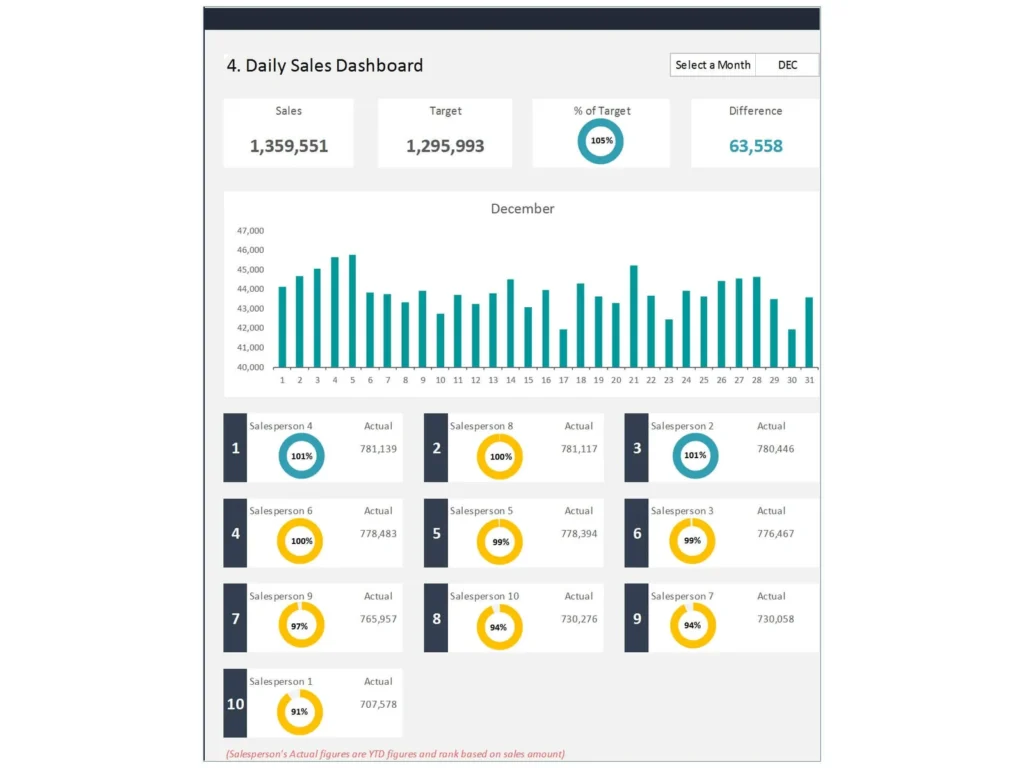
What Is a Sales Tracking Dashboard and Why It Matters
A Sales Tracking Dashboard is a reporting tool that helps businesses monitor results, activities, and progress in one place. Instead of using multiple files, a company can rely on a single dashboard to review pipeline health, team output, revenue trends, and target progress. This kind of Sales Dashboard improves visibility into sales and helps leaders understand performance faster. Because the dashboard combines numbers, charts, and summaries, it becomes easier to monitor important sales activity and outcomes. For businesses that want better control over performance, a dashboard is one of the most practical ways to support smarter management and stronger reporting.
How a Sales Dashboard Supports Better Sales Tracking and Reporting
A well-designed Sales Dashboard supports tracking sales by turning raw data into a simple visual format that managers and teams can review regularly. It helps users measure sales kpis, monitor current sales status, and compare results against goals. A dashboard also makes sales reporting more efficient because it gathers information from different areas into one dashboard. This saves time and reduces confusion. When businesses use the dashboard consistently, they gain a clearer understanding of current performance and can react faster. A strong dashboard helps teams focus on action, not just reporting, and supports better decisions across the business.
Why Businesses Use a Sales Tracking Dashboard Excel Template
Many businesses prefer a Sales Tracking Dashboard template because it provides a ready-made structure for monitoring performance. A flexible Sales Tracking Dashboard excel file can include tables, charts, filters, and scorecards that make reporting easier. A professional sales dashboard template saves time, improves consistency, and reduces the effort required to create a sales dashboard from scratch. It also helps standardize reporting across departments. For organizations that want a dependable dashboard template without investing in expensive systems, Excel remains a practical choice. This approach helps teams work faster while maintaining better accuracy and control over reporting.
Core Benefits of a Sales Tracking Dashboard
Improving Sales Team Performance with a Performance Dashboard
A performance dashboard helps organizations understand whether the team is moving in the right direction. It shows progress against sales goals, highlights productivity levels, and reveals whether effort is leading to results. This kind of visibility is important because the sales team’s performance depends on both activity and execution. A strong Sales Tracking Dashboard helps leaders identify weak spots, correct process gaps, and reinforce strong behavior. It also supports better coaching and follow-up. By organizing key numbers in a simple format, the dashboard helps businesses improve consistency, strengthen accountability, and build a more disciplined performance culture.
How Sales Managers and Sales Reps Benefit from Better Tracking
Better reporting benefits both managers and frontline team members. Leaders can review pipeline movement, team output, and sales rep performance, while sales representatives can monitor their own goals, tasks, and deal progress. This shared visibility supports accountability and makes coaching more objective. It also helps the team stay focused on the right sales priorities. Because the dashboard highlights what matters most, it becomes easier to direct sales efforts where they will have the most impact. This is why dashboards are widely used by sales teams that want better execution, stronger follow-up, and more consistent performance.
Using Sales Analytics and Sales Data for Effective Sales Decisions
A dashboard becomes more valuable when it is supported by good sales analytics and reliable sales data. It can reveal patterns in conversion, pipeline movement, win rates, and team activity that might otherwise be missed. These insights help leaders refine sales strategies and make more confident choices. By reviewing data sales trends regularly, management can see which actions support growth and which ones create delays. Strong analytics also lead to accurate sales planning because decisions are based on measurable performance rather than assumptions. This makes the dashboard a useful tool for both short-term action and long-term business planning.
Key Metrics in a Sales Tracking Dashboard
Important Sales Metrics Every Sales Team Should Monitor
Every Sales Tracking Dashboard should include the most relevant key sales measures that reflect overall business performance. These usually include revenue, win rate, average deal size, lead conversion, activity volume, and target achievement. These different sales metrics help businesses evaluate performance from multiple angles rather than focusing on one number only. A good dashboard highlights the most important figures so users can understand results quickly. When leadership chooses the right sales kpis, the dashboard becomes more useful for coaching, forecasting, and planning. Clear metrics also improve alignment because the whole team understands what success looks like.
Tracking Sales Activities, Sales Performance, and Team Performance
A strong dashboard should connect daily work with outcomes. This means measuring sales activities like calls, meetings, and follow-ups alongside sales performance results such as deals won and revenue achieved. This connection helps managers see whether weak results come from low effort or poor conversion. It also provides a clearer picture of team performance and helps leadership manage productivity more effectively. By reviewing action and outcome together, businesses can improve sales productivity and strengthen accountability. A practical Sales Tracking Dashboard helps users understand whether the team is moving toward targets through the right level of activity.
Measuring Revenue Growth, Sales Forecast, and Important Sales Results
Beyond activity tracking, a dashboard should measure business impact. It can include revenue growth, quota attainment, average deal value, and sales forecast views for future planning. These numbers show whether the organization is expanding and whether the pipeline supports future targets. By comparing current performance with goals, leaders can understand if important sales targets are being met. A dashboard that includes results and forecasts helps management stay proactive rather than reactive. It also supports stronger communication across leadership by giving everyone the same structured view of outcomes, risks, and opportunities tied to growth.
Sales Pipeline and Opportunity Tracking
Using a Sales Pipeline Dashboard to Monitor the Sales Funnel
A sales pipeline dashboard helps businesses monitor opportunities as they move through the sales funnel. It shows the number and value of deals at each stage, making it easier to identify bottlenecks and evaluate whether future targets are realistic. A strong Sales Pipeline Dashboard also helps leaders understand how opportunities move across the business and where the team is losing momentum. When managers monitor the funnel regularly, they can take action earlier and improve execution. This kind of pipeline visibility is especially valuable for businesses that want more control over opportunity flow and better forecasting.
Managing Leads and Sales Opportunities with a Lead Dashboard
A lead dashboard focuses on lead generation, qualification, and follow-up progress. It helps teams understand where new sales may come from and whether leads are moving effectively into real opportunities. When combined with open pipeline views, this provides a fuller picture of sales opportunities from the earliest stage onward. A dashboard like this is useful for both sales and marketing teams because it shows the handoff between lead generation and sales follow-up. Better lead visibility improves prioritization, supports faster response, and increases the chance that promising leads become qualified deals.
Improving Conversions with a Sales Opportunities Dashboard
A sales opportunities dashboard helps managers review open deals in detail, including stage, value, expected close date, and follow-up status. This view makes it easier to prioritize efforts toward the most promising opportunities and to remove obstacles slowing progress. A strong sales opportunities dashboard can also show which stages have weak conversion and where additional support is needed. Because the dashboard focuses on live opportunities, it helps teams improve timing, follow-up, and decision-making. Better opportunity management supports stronger close rates, more efficient use of time, and ultimately helps businesses increase sales in a structured way.
Sales Tracking Dashboard Excel Features
How Sales Tracking Dashboard Excel Simplifies Sales Reporting
A well-organized Sales Tracking Dashboard excel file makes sales reporting easier because it combines multiple views into one workbook. It can summarize activities, pipeline, revenue, and trends without requiring separate reports for each metric. This simplicity saves time and reduces errors. For many companies, Excel is still the easiest way to maintain a reporting system because it is familiar and flexible. When businesses use a consistent format, they improve communication and reduce reporting delays. A structured Excel dashboard also helps teams share results quickly across functions and maintain better control over regular reporting cycles.
Dashboard Design, Filters, and Interactive Sales Data Views
Good dashboard design makes reporting easier to understand and more useful in meetings. Filters for rep, product, time period, or region allow users to move from summary to detail without opening several reports. This makes the dashboard more flexible and practical. A clear design also improves readability, so people can identify issues faster. Whether the team needs a pipeline view or a performance summary, interactive features make the report more valuable. Many best sales dashboards rely on simple design, clear metrics, and strong layout rather than too many charts. Good structure is what turns data into action.
Why a Sales Tracking Dashboard Template Saves Time and Improves Accuracy
A reliable Sales Tracking Dashboard template saves time because teams do not need to rebuild reports every cycle. They simply update the numbers, and the dashboard refreshes the outputs. This reduces repetitive work and makes reporting more consistent. It also lowers the risk of missing important sections or using different formats across the company. A strong dashboard template helps businesses standardize reporting across teams and maintain better data quality. For organizations that want faster and more dependable analysis, a template is one of the easiest ways to improve efficiency and reporting discipline.
Performance Management for Sales Teams
How a Sales Performance Dashboard Supports Sales Team Performance
A sales performance dashboard gives managers a structured way to review results at both individual and team levels. It can show activity counts, close rates, revenue achieved, and progress against targets. This makes it easier to understand the sales team’s output and whether performance is improving over time. Because the dashboard combines several performance views in one place, it supports better coaching and stronger accountability. It also helps leaders compare outcomes across roles and territories. For teams focused on continuous improvement, a performance dashboard is an essential part of everyday management.
Why a Sales Manager Dashboard Improves Oversight and Coaching
A sales manager dashboard improves oversight by giving managers quick access to pipeline, activity, targets, and rep results together. This makes it easier to identify issues and respond early. Managers can review which reps are on track, which opportunities need attention, and where coaching will have the greatest impact. This is especially useful in growing teams where direct manual monitoring becomes difficult. A well-built manager view supports better communication, faster follow-up, and more effective decision-making. It also gives leadership stronger control over execution across departments and territories.
Comparing Sales Rep Results and Overall Team Performance
Comparing individual outcomes with team performance helps managers understand whether success is broad or concentrated among only a few people. A dashboard can show side-by-side views of sales rep performance, team averages, and ranking summaries such as a sales leaderboard. This helps identify top performing sales contributors while also showing where support is needed. Balanced comparison encourages fair coaching and smarter resource planning. It also improves transparency because the whole team can see consistent standards. Over time, this supports better motivation, stronger development, and improved results across the entire team.
Dashboard Types and Practical Use Cases
Sales Activity Dashboard for Monitoring Daily Sales Activities
A sales activity dashboard is ideal for tracking daily execution such as calls, meetings, demos, emails, and follow-ups. Since these actions influence future outcomes, monitoring them regularly helps managers understand whether the team is doing enough to support the pipeline. This type of dashboard is especially valuable when businesses want to improve consistency and increase speed of follow-up. It also helps leadership distinguish between effort issues and conversion issues. By focusing on daily action, the dashboard strengthens discipline and makes it easier to coach teams toward better performance and stronger results.
Forecasting Dashboard for Revenue Planning and Sales Forecast Review
A forecasting dashboard helps leaders plan ahead by estimating future revenue based on pipeline value, stage movement, and expected close dates. This view supports smarter decision-making around staffing, budgeting, and target management. A good forecasting view also helps identify risk earlier if pipeline coverage looks weak. Because planning is critical for growth, many teams include a sales forecast section inside their dashboard. Strong forecasting supports more accurate sales expectations and reduces surprises later in the quarter. It gives leaders a forward-looking perspective that complements historical reporting and improves overall control.
Revenue Dashboard and Product Performance Dashboard for Business Insights
A revenue dashboard helps businesses monitor overall sales value, growth trends, and target attainment, while a product performance dashboard shows how specific items or categories contribute to results. This helps leaders understand product sales, evaluate pricing or promotion effects, and decide where to focus future effort. These views are useful when management wants more than a basic team report. By combining revenue and product insight, the Sales Dashboard becomes more strategic. It helps teams connect performance to specific offerings and strengthens planning across product, sales, and leadership functions.
Conclusion
Why a Sales Tracking Dashboard Template Is a Practical Business Tool
A Sales Tracking Dashboard template is a practical tool because it combines visibility, structure, and flexibility in one place. It helps organizations monitor goals, review progress, and compare results without creating new reports each time. It also makes it easier to share performance updates across your entire sales organization. For teams that need dependable reporting without excessive complexity, a template-based dashboard is a smart choice. It supports better management discipline, improved communication, and more effective use of business data in everyday decision-making.
Final Thoughts on Using a Sales Dashboard for Tracking Performance and Growth
A well-designed Sales Dashboard gives businesses a stronger understanding of performance, pipeline health, and future opportunity. It helps teams monitor current execution, improve follow-up, and plan growth with more confidence. Whether the focus is on activity, revenue, leads, or forecasts, the dashboard creates a clearer framework for action. Over time, better dashboards help sales teams work smarter, align with strategy, and improve consistency. When businesses choose the right structure and commit to regular review, dashboards become powerful tools for tracking performance and supporting long-term growth.
For ready-to-use Dashboard Templates: