
Introduction to HR Health and Safety Dashboard
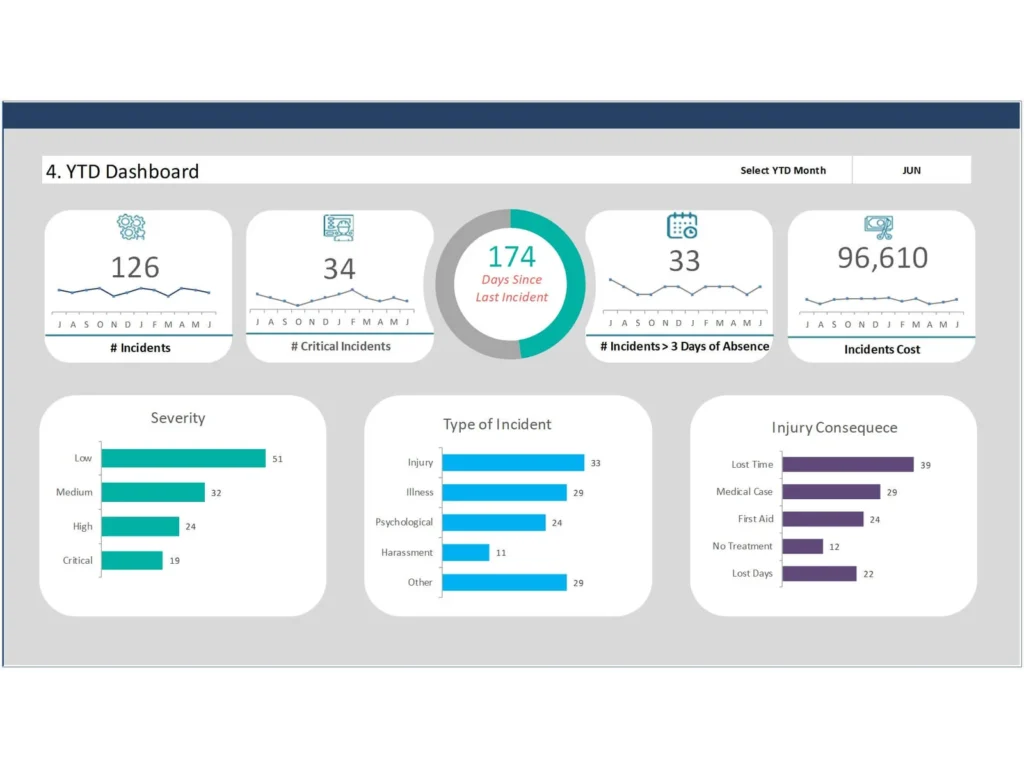
What Is an HR Health and Safety Dashboard in Modern Human Resource Management
An HR Health and Safety Dashboard is a specialized HR dashboard designed to monitor workplace safety, track safety metrics, and evaluate overall health and safety performance within an organization. In modern human resource management, HR teams rely on dashboards and reports to analyze safety data and monitor key safety metrics across the workforce.
The HR Health and Safety Dashboard allows HR professionals to track occupational health and safety performance in a structured and visual way. It brings key safety KPIs, safety incidents, and compliance data into one central metrics dashboard. This dashboard provides HR teams with insights into employee health and safety trends and helps identify potential safety risks before they escalate.
Organizations increasingly use HR analytics and dashboard tools to monitor safety performance and improve workplace health and safety standards. By integrating HR data, safety data, and operational reports, the HR Health and Safety Dashboard enables HR teams to track health and safety KPIs in one place and support a culture of safety across the organization.
Why Organizations Use HR Health and Safety Dashboard Excel and Dashboard Templates
Organizations widely use HR Health and Safety Dashboard Excel tools and templates because they provide a customizable and cost-effective solution for managing safety reporting. An HR Health and Safety Dashboard template helps HR teams organize safety data, track incidents, and measure safety performance across departments.
Excel-based dashboards allow HR professionals to design interactive HR dashboards that display safety KPI metrics, incident trends, and training completion rates. These dashboards help HR teams monitor workplace safety performance and evaluate whether safety goals are being achieved.
A well-designed health and safety dashboard template can also integrate data from safety training systems, HR software, and compliance reports. These dashboards help HR professionals monitor safety initiatives and ensure organizations comply with workplace safety regulations. Templates also enable HR teams to produce dashboards and reports that support safety management and improve transparency in safety reporting.
Role of HR Dashboard in Monitoring Workplace Health and Safety Performance
The HR dashboard plays a crucial role in monitoring workplace health and safety performance across the organization. An HR Health and Safety Dashboard provides a centralized platform where HR professionals can analyze safety metrics, evaluate safety initiatives, and track safety incidents.
By presenting safety data visually, the dashboard allows HR teams to identify safety issues quickly and implement corrective safety measures. For example, dashboards can display trends related to workplace accidents, training completion rates, and compliance with safety regulations.
These dashboards help HR professionals evaluate whether safety objectives are being achieved and whether workplace health and safety programs are effective. By analyzing dashboard data, HR leaders can improve risk management strategies and strengthen organizational safety practices.
Key Health and Safety Metrics in HR Health and Safety Dashboard
Understanding Health and Safety KPIs and Key Performance Indicators
Health and safety KPIs are essential indicators that measure workplace safety performance and compliance with occupational health and safety standards. A health and safety KPIs dashboard allows HR professionals to track key safety metrics and evaluate safety initiatives across the organization.
These KPIs often include metrics such as total safety incidents, lost-time injury rates, safety training completion, and compliance with safety regulations. By monitoring these key performance indicators, HR teams can assess whether workplace safety programs are achieving their intended outcomes.
The HR Health and Safety Dashboard enables HR professionals to track safety KPIs in one place, making it easier to analyze trends and measure progress toward safety goals. This structured approach helps organizations improve safety performance and build a strong safety culture.
Tracking Workplace Safety Metrics and Safety Performance Indicators
Tracking workplace safety metrics is a critical function of the HR Health and Safety KPI Dashboard. Safety performance indicators provide insights into the effectiveness of workplace safety programs and risk management strategies.
Common safety metrics include accident frequency rates, safety training participation, hazard reports, and incident response times. These metrics help HR safety and health teams evaluate whether safety initiatives are improving workplace safety conditions.
The dashboard to track safety metrics often includes charts and visual indicators that highlight trends in safety performance. By analyzing these trends, HR professionals can identify areas that require additional safety measures or policy adjustments.
Monitoring Employee Health and Safety Using Safety Data and KPI Metrics
Employee health and safety monitoring is a key responsibility of HR teams. The HR Health and Safety Dashboard helps HR professionals track employee safety data and evaluate safety performance across departments.
Safety data may include injury reports, safety training completion records, compliance audit results, and hazard assessments. By integrating these data sources into a metrics dashboard, HR teams can analyze safety performance more effectively.
Monitoring employee safety through dashboards helps HR professionals detect patterns that indicate potential safety risks. This information enables organizations to implement safety initiatives that enhance employee well-being and workplace safety.
Occupational Health and Safety Management with HR Dashboard
Role of HR Health and Safety Dashboard in Safety Management Systems
The HR Health and Safety Dashboard is an essential component of modern safety management systems. It allows organizations to centralize safety data and track safety initiatives across different departments.
By integrating safety management processes with HR analytics tools, the performance dashboard provides a comprehensive view of workplace health and safety performance. HR teams can monitor compliance with occupational health and safety regulations and evaluate whether safety objectives are being met.
This integration helps HR professionals coordinate safety initiatives and ensure safety measures are implemented consistently across the organization.
Using Safety Data to Improve Workplace Health and Safety Compliance
Safety data plays a crucial role in ensuring compliance with workplace safety regulations. The HR Health and Safety Dashboard enables HR teams to analyze safety data and monitor compliance with safety requirements.
By tracking safety incidents, training completion, and inspection results, HR professionals can identify areas where compliance may be lacking. The dashboard provides insights that help HR teams address safety issues and implement corrective actions.
This proactive approach to safety management ensures organizations maintain compliance with occupational health and safety regulations and reduce workplace risks.
How HR Dashboard Supports Organizational Safety Excellence
Organizational safety excellence requires continuous monitoring and improvement of safety practices. The HR Health and Safety Dashboard supports this objective by providing HR teams with actionable insights into safety performance.
The dashboard helps HR department leaders track safety initiatives, evaluate safety culture, and monitor safety goals across the organization. By analyzing safety metrics and incident reports, HR teams can identify opportunities to improve safety practices.
This data-driven approach enables organizations to build a strong safety culture and achieve long-term safety excellence.
HR Health and Safety Dashboard Examples and Use Cases
HR Health and Safety Dashboard Example for Workplace Safety Monitoring
An HR Health and Safety Dashboard example for workplace safety monitoring typically includes charts that track accident rates, safety training completion, and compliance indicators. These dashboards help HR teams monitor safety performance and evaluate workplace safety programs.
By reviewing safety data through dashboards, HR professionals can identify patterns in workplace incidents and implement targeted safety initiatives. This approach ensures organizations maintain a safe working environment.
Health and Safety KPIs Dashboard Example for Compliance Tracking
A health and safety KPIs dashboard example focuses on tracking compliance with occupational health and safety regulations. These dashboards provide HR teams with insights into safety audits, training completion, and regulatory compliance metrics.
HR professionals use these dashboards to monitor compliance performance and ensure safety requirements are being met. By analyzing compliance data, organizations can improve workplace safety policies and reduce the risk of regulatory violations.
Safety Dashboard Example for Employee Safety and Incident Monitoring
A safety dashboard example designed for incident monitoring helps HR teams track safety incidents and evaluate response effectiveness. These dashboards display metrics such as accident frequency, injury severity, and incident resolution times.
By analyzing these key metrics, HR professionals can identify safety issues and implement measures that improve employee safety. These dashboards also help organizations track safety initiatives and measure their effectiveness over time.
Building an HR Health and Safety Dashboard Template in Excel
Designing an HR Health and Safety Dashboard Excel Template
Designing an HR Health and Safety Dashboard Excel template involves organizing safety real-time data into structured tables and visual charts. Excel allows HR professionals to build customizable dashboards that track safety metrics and generate safety reports.
The template typically includes sections for safety incidents, training completion, compliance indicators, and workplace hazard reports. These components provide HR teams with a comprehensive overview of safety performance.
Excel templates also allow HR teams to tailor dashboards to specific organizational safety requirements.
Structuring Safety Metrics Dashboard and KPI Metrics in Excel
Structuring safety metrics correctly is essential when building an HR Health and Safety Dashboard. HR teams must define key safety metrics such as incident rates, training participation, and compliance indicators.
These metrics are organized into a metrics dashboard that allows HR professionals to analyze safety performance across departments. By structuring safety metrics clearly, organizations can monitor safety initiatives more effectively.
Creating Interactive Dashboards to Track Health and Safety KPIs
Interactive dashboards enhance safety reporting by allowing HR teams to analyze safety data dynamically. Filters and visual charts allow users to explore safety metrics based on departments, time periods, or incident categories.
Interactive HR dashboards help HR professionals identify trends in safety performance and implement targeted safety initiatives. These dashboards provide valuable insights that support better safety management decisions.
For ready-to-use Dashboard Templates: