
Inventory Dashboard Template Guide with Inventory Dashboard Excel Template Dashboard Excel
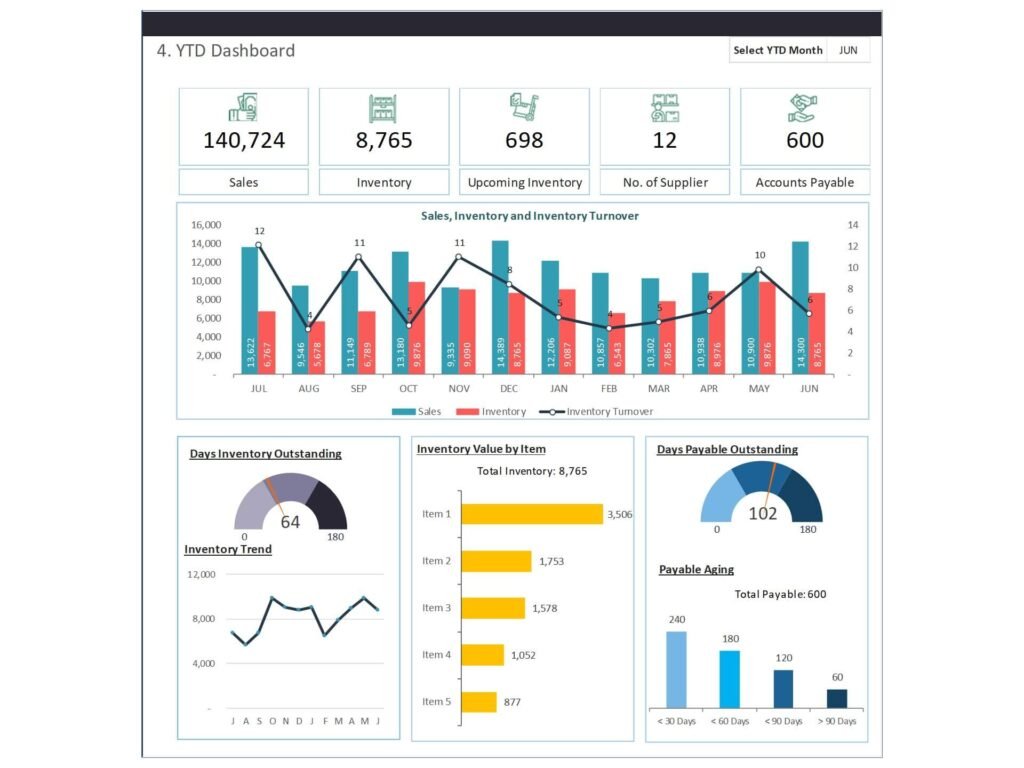
Why Inventory Dashboard Excel Template Dashboard Excel is essential for inventory management and retail inventory tracking
An Inventory Dashboard Excel Template Dashboard Excel is essential for managing inventory efficiently in modern businesses. It provides a centralized dashboard to monitor stock levels, track inventory data, and improve inventory management processes. With increasing complexity in retail inventory and supply chain management, businesses need a real-time view of inventory to prevent stockouts and overstocking. The dashboard helps inventory managers track key performance indicators such as current stock levels, inventory turnover, and days of supply. By using a structured dashboard template, organizations can streamline inventory tracking, reduce errors, and ensure inventory accuracy. This visibility enables better decision-making and ensures that inventory levels align with business demand and operational goals.
Benefits of Inventory Dashboard Template for real-time inventory analytics and visibility
The Inventory Dashboard Template provides significant benefits for inventory analytics and visibility. It offers a real-time view of inventory, allowing businesses to monitor stock levels and track inventory movements. With real-time inventory tracking, companies can identify potential stockouts or overstock situations before they impact operations. The dashboard provides visibility into inventory value, helping businesses optimize inventory and improve profitability. By using charts and graphs, such as bar charts and stacked bar charts, the dashboard presents data in an easy-to-understand format. This allows inventory managers to analyze trends and make informed decisions quickly. The ability to monitor inventory in real time ensures efficient supply chain management and improves overall business performance.
How to Build Inventory Dashboard Template Using Inventory Dashboard Excel Template Dashboard Excel
Steps to create an inventory management dashboard using Inventory Dashboard Excel Template Dashboard Excel
Building an Inventory Dashboard Excel Template Dashboard Excel begins with collecting accurate inventory information from systems such as ERP, order management, and supply chain platforms. The next step is to organize this data into categories such as product, location, purchase order status, and stock levels. Using a pre-built dashboard template, users can create visualizations that track inventory KPIs and performance. The dashboard should include sections for stock levels, reorder points, and inventory turnover rates. By incorporating automation, the dashboard can update in real time, reducing manual effort. This ensures that inventory managers always have access to accurate and up-to-date information, enabling them to manage inventory effectively.
Choosing the right KPIs and metrics in Inventory Dashboard Excel Template Dashboard Excel
Choosing the right inventory KPIs is critical for building an effective dashboard. The Inventory Dashboard Excel Template Dashboard Excel should include metrics such as inventory turnover ratio, average inventory, days of supply, and stockout rate. These key performance indicators provide insights into inventory efficiency and help identify areas for improvement. For example, a high turnover ratio indicates efficient inventory management, while frequent stockouts may indicate issues in replenishment. By selecting the right KPIs, businesses can optimize inventory control and improve profitability. The dashboard enables users to track performance and make informed decisions based on accurate data.
Key KPIs in Inventory Dashboard Template Dashboard Excel for Inventory Management
Essential inventory KPIs and inventory value tracking in Inventory Dashboard Excel Template Dashboard Excel
An effective inventory management dashboard must include essential KPIs that provide insights into inventory performance. These include inventory value, turnover rates, stock levels, and average inventory. Tracking inventory value helps businesses understand the financial impact of inventory and identify opportunities for cost reduction. By monitoring turnover rates, businesses can ensure that inventory is moving efficiently and avoid excess inventory. The dashboard provides a comprehensive view of inventory performance, enabling businesses to optimize inventory and improve profitability.
KPI dashboard design and visualization in Inventory Dashboard Excel Template Dashboard Excel
Designing a KPI dashboard requires a focus on visualization and usability. The Inventory Dashboard Excel Template Dashboard Excel should include charts and graphs that present data clearly and concisely. Visualizations such as bar charts and stacked bar charts help users understand trends and patterns in inventory data. By using effective visualization techniques, dashboards provide insights that are easy to interpret. This allows inventory managers to identify issues quickly and take corrective action. A well-designed dashboard improves decision-making and enhances inventory management processes.
Inventory Analytics and Reporting with Inventory Dashboard Template Dashboard Excel
Sales dashboard and inventory analytics reporting using Inventory Dashboard Excel Template Dashboard Excel
A sales dashboard integrated with an inventory dashboard provides valuable insights into the relationship between sales and inventory. The Inventory Dashboard Excel Template Dashboard Excel allows users to analyze sales data alongside inventory data, helping businesses optimize stock levels. By understanding sales trends, businesses can forecast demand and adjust inventory levels accordingly. This ensures that products are available when needed and reduces the risk of stockouts. The dashboard provides a comprehensive view of inventory and sales performance, enabling better planning and decision-making.
Dashboard examples for inventory management and analytics in Inventory Dashboard Excel Template Dashboard Excel
There are many dashboard examples that demonstrate the effectiveness of inventory dashboards. These dashboards provide a clear view of inventory performance and highlight key metrics such as stock levels, turnover rates, and reorder points. By using these examples as a guide, businesses can build dashboards that meet their specific needs. The dashboard provides insights into inventory trends and helps identify areas for improvement. This enables businesses to optimize inventory and improve operational efficiency.
Interactive Analytics with Inventory Dashboard Power BI
Building interactive dashboards with Inventory Dashboard Power BI for real-time insights
An Inventory Dashboard Power BI enables businesses to create interactive dashboards that provide real-time insights into inventory performance. Unlike static dashboards, Power BI dashboards allow users to explore data dynamically, filter information, and analyze trends. By integrating data from multiple sources, Power BI provides a comprehensive view of inventory data. This helps businesses monitor stock levels, track inventory movements, and respond to changes quickly. Interactive dashboards support better decision-making and improve inventory management.
BI analytics and visualization using Inventory Dashboard Power BI
BI tools such as Power BI provide advanced analytics capabilities for inventory management. These tools enable users to build custom dashboards, create visualizations, and analyze data in depth. By using BI analytics, businesses can gain deeper insights into inventory performance and identify opportunities for improvement. Visualization techniques such as charts and graphs make it easier to understand complex data. This improves decision-making and enhances inventory management processes.
Using Inventory Dashboard Dashboard Google sheet for Real-Time Inventory Tracking
Benefits of Inventory Dashboard Dashboard Google sheet for collaboration and inventory management
The Inventory Dashboard Dashboard Google sheet is a powerful tool for collaboration and real-time inventory tracking. It allows multiple users to access and update data simultaneously, ensuring that information is always up to date. This is particularly useful for businesses with distributed teams. By using Google Sheets, businesses can streamline inventory management processes and improve communication. The dashboard provides a real-time view of inventory, enabling better decision-making.
Streamline inventory management using Inventory Dashboard Dashboard Google sheet
Using a Inventory Dashboard Dashboard Google sheet, businesses can streamline inventory management and improve efficiency. The dashboard allows users to track inventory, monitor stock levels, and analyze trends. By providing real-time insights, the dashboard helps businesses optimize inventory and reduce costs. This ensures that inventory levels are aligned with demand and improves overall business performance.
Custom Dashboard Solutions for Inventory Management
Build custom dashboards using Inventory Dashboard Template for effective inventory tracking
Custom dashboards allow businesses to tailor their inventory management processes to their specific needs. The Inventory Dashboard Template can be customized to include relevant metrics and visualizations. This enables businesses to track inventory effectively and improve performance. By building custom dashboards, businesses can gain deeper insights into inventory data and make informed decisions.
Dashboard software and free trial options for Inventory Dashboard Template
Choosing the right dashboard software is essential for effective inventory management. There are many tools available that support dashboard creation, including Excel, Power BI, and Google Sheets. Many platforms offer a free trial, allowing businesses to test features before committing. By using the right tools, businesses can improve their inventory management processes and achieve better results.
Best Practices for Inventory Dashboard Template Implementation
Designing an effective inventory management dashboard using Inventory Dashboard Template
Designing an effective inventory dashboard requires a focus on clarity and usability. The dashboard should include key metrics and visualizations that provide actionable insights. By following best practices, businesses can create dashboards that are both functional and visually appealing. This improves decision-making and enhances inventory management.
Improving inventory visibility and performance using Inventory Dashboard Template
Improving inventory visibility is essential for effective inventory management. The Inventory Dashboard Template helps businesses track performance, identify issues, and take corrective action. By analyzing data, businesses can optimize inventory and improve profitability. This ensures that inventory levels are aligned with demand and improves overall business performance.
For ready-to-use Dashboard Templates: